

Article en français
The Mount St. Joseph Observatory was initially developed for recreational purposes, particularly visual observation and astrophotography.
What better way to prepare for a beautiful retirement in the countryside than by practicing our favorite activity: astronomy!
Then, increasingly, the scientific aspect took over…
While taking pictures, questions arose, and some answers were found thanks to research and the collaboration of friends and Dr. Lorne Nelson of Bishop's University, whose generosity and patience were unparalleled. Much work was also done at the University Observatory.
Now that quality equipment is more accessible to amateurs, it's possible to go further. This is where the discovery of alliances and mutual support between professional and amateur astronomers made a difference.
The observatory's activities are now oriented, according to our curiosity and desire to understand, towards:
Visual observation. Astrophotography.
Supernova monitoring.
Monitoring of variable stars using basic photometric programs, as well as for research campaigns requested by astronomers from the AAVSO and international collaborations.
Now, low-, medium-, and high-resolution spectroscopy.
In fact, what's really lacking is clear skies and good weather!
Now retired since April 1, 2023 (and this is not an April Fool's joke :0), the first constraint is solved...
So all we need now is good weather and clear skies.
In short, the most significant aspect of the two observatories' activities is related to the AAVSO courses I teach every November, in French:
"Classification of Variable Stars and Light Curves."
This course explores various types of stars by family, demonstrating and explaining the light curves they trace, and using photometry and spectroscopy, studying and attempting to demonstrate the behavior of these types of stars. In short, it's a passion for stars!
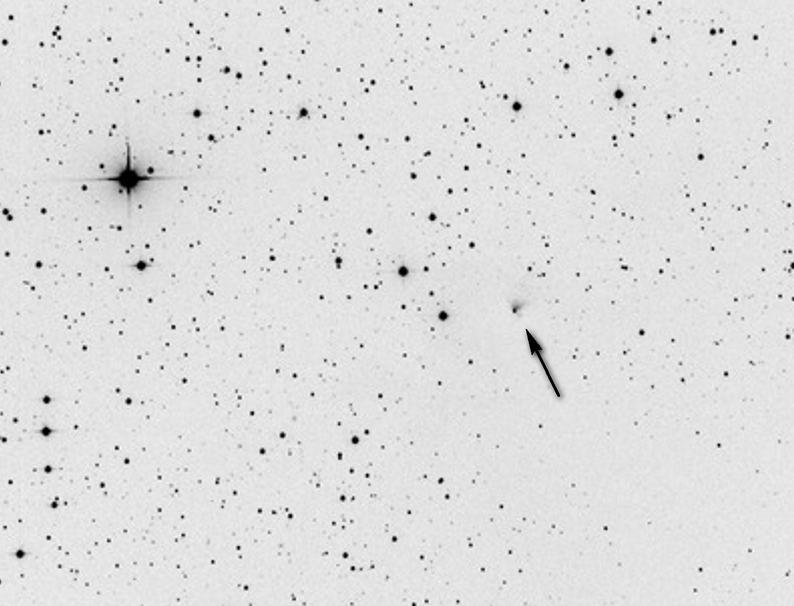 Étoile YSO PV CEP
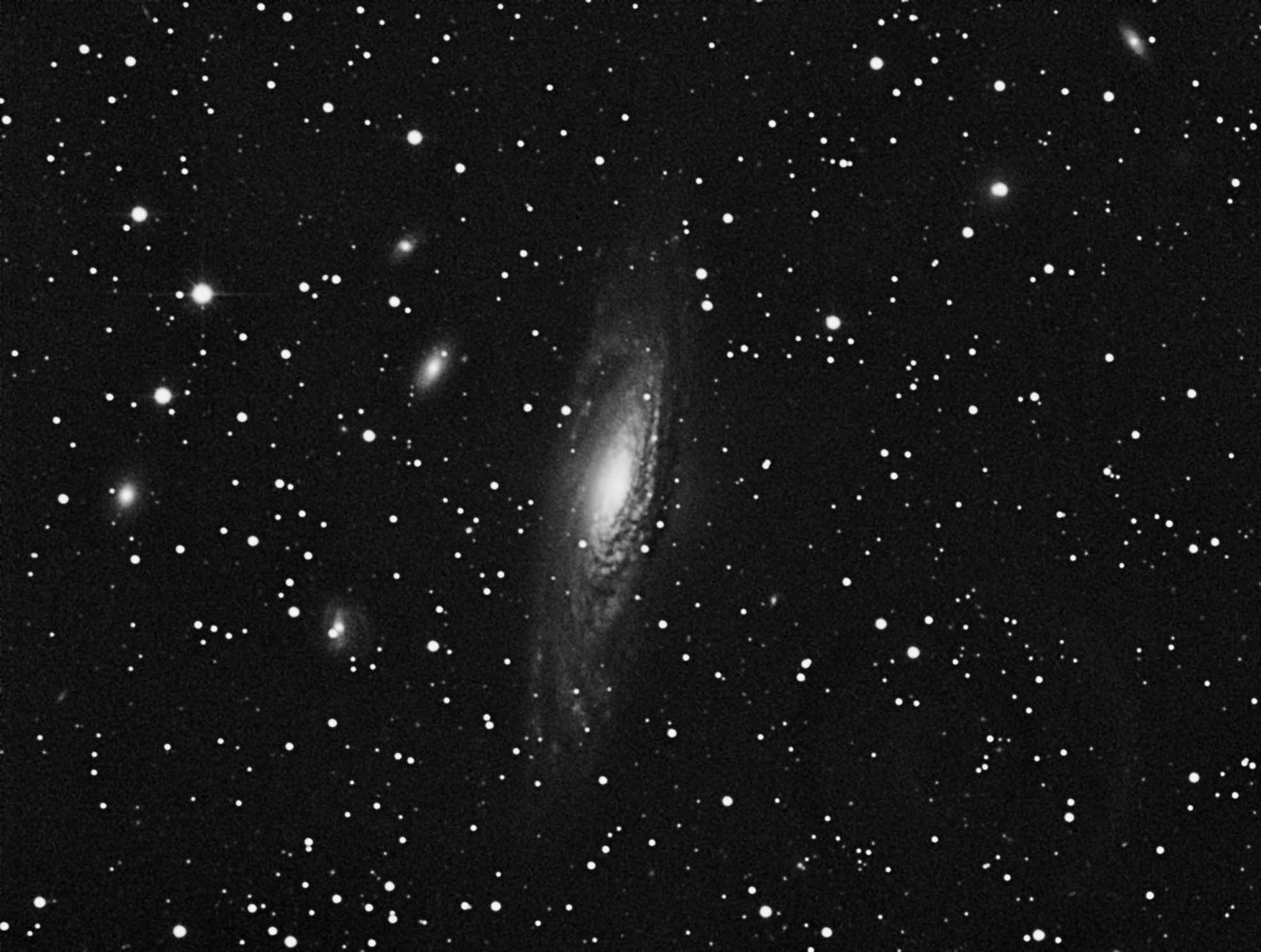
NGC 7331